
Engineered for mission-critical reliability in energy, telecommunications, and industrial automation environments.

Integrated 10.1" screen, Li-Polymer high-density batteries with universal USA plug interface for rapid mobile fleet energization.
Get a Quote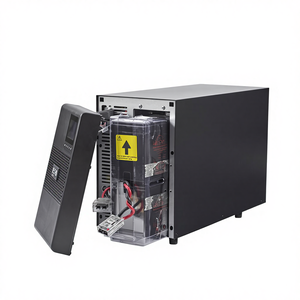
Double-conversion standby architecture for continuous power failure protection and zero transfer-time voltage regulation.
Get a Quote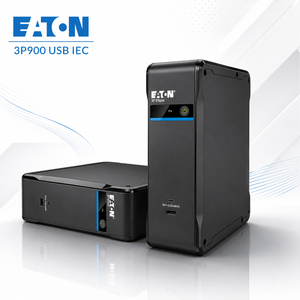
Ultra-quiet industrial monitoring backup power featuring replaceable 12V 9Ah battery modules and low thermal loss design.
Get a Quote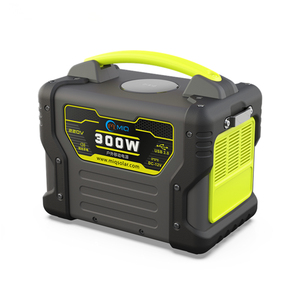
Heavy-duty mobile 220V/110V energy backup utilizing long cycle-life Lithium Iron Phosphate chemistry for remote site field service.
Get a Quote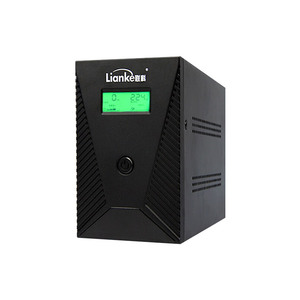
Compact uninterruptible power safeguard designed for telemetry sensors, computer monitoring terminals, and security nodes.
Get a Quote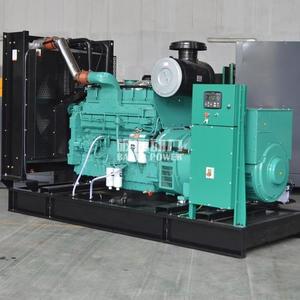
Industrial-grade emergency generator power system delivering prime and continuous rating resilience for large manufacturing facilities.
Get a Quote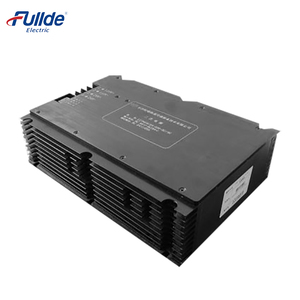
Specialized mission-critical backup unit featuring wide-input voltage windows and military-grade transient surge protection.
Get a Quote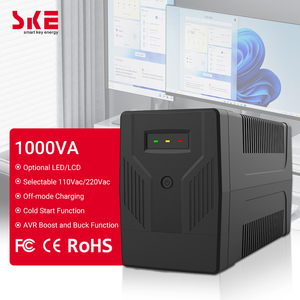
Automatic Voltage Regulation (AVR) energy backup platform built for edge computing and industrial control cabinets.
Get a QuoteThe Greater Houston metropolitan area—recognized worldwide as the Energy Capital of the World—operates under some of the most demanding power reliability conditions in North America. Home to the Port of Houston, the Texas Medical Center, the Energy Corridor, and massive petrochemical refinery complexes stretching along the Houston Ship Channel, the region requires uninterrupted electrical supply to prevent catastrophic continuous-process shutdowns, environmental hazards, and multi-million-dollar operational losses.
As a senior modular power supplier and global exporter serving the Houston market, our engineering roadmap aligns directly with the severe operational realities of the Texas Gulf Coast. Industrial operators in Houston face unique microgrid challenges: extreme weather events including severe hurricanes, intense summer heat waves driving high grid strain on the ERCOT (Electric Reliability Council of Texas) network, high humidity levels, and corrosive saline atmospheric conditions near coastal refining installations.
This technical whitepaper outlines advanced modular DC power system architectures, uninterruptible power supply (UPS) integration strategies, and Ethernet-managed remote telemetry platforms designed to provide N+1 redundant reliability for Houston's energy producers, telecommunications networks, public safety emergency response facilities, and industrial automation control centers.
Technical Insight: In continuous chemical refining and offshore energy infrastructure, a voltage sag lasting less than 50 milliseconds can trip sensitive Programmable Logic Controllers (PLCs) and variable frequency drives, triggering emergency flare-offs and days of forced downtime. Modular power systems engineered with hot-swappable N+1 rectifiers eliminate single points of failure across the direct current bus.

Modular DC power systems convert incoming AC mains electricity into clean, tightly regulated direct current to power sensitive radio transceivers, SCADA RTUs (Remote Terminal Units), fiber optic terminal gear, and emergency control panels. Unlike traditional monolithic UPS units that require complete system shutdown during maintenance, modular platforms utilize parallel hot-swappable rectifier bays.
If a single power module encounters an internal diode failure or thermal overload, the remaining rectifiers seamlessly absorb the load current without output voltage disturbance. This continuous operating mode is vital for Houston’s critical infrastructure operators who cannot permit scheduled maintenance truck rolls to compromise baseline operational readiness.
To evaluate the information gain offered by modern modular power architectures, system integrators and electrical engineers in the Houston industrial corridor must analyze key metrics: Mean Time Between Failures (MTBF), Mean Time to Repair (MTTR), Total Cost of Ownership (TCO), and system scaling flexibility.
| Architecture Feature | Legacy Monolithic UPS / Power Supplies | Advanced Modular Hot-Swap DC Systems | Houston Operational Advantage |
|---|---|---|---|
| Redundancy Level | N (Single point of failure) | N+1 or N+2 Hot-Swappable Rectifier Bays | Prevents complete site collapse during single component failure |
| Mean Time to Repair (MTTR) | 4 to 24 Hours (Requires specialized field engineer) | < 5 Minutes (Plug-and-play module hot-replacement) | Reduces field labor costs across vast Gulf Coast installation sites |
| Scalability | Fixed capacity; requires full chassis replacement | Modular expansion from 700W to multi-kilowatt shelves | Allows phase-based capital spending as site load requirements expand |
| Remote Visibility | Basic dry contact alarm relays | Embedded HTML Web Server, SNMPv3, Modbus TCP | Full NOC visibility without dispatching technicians during severe storms |
| Efficiency Curve | 50%-70% at partial loads | 95%+ Peak Efficiency across broad load range | Significant energy waste reduction in 24/7 industrial plants |
Industrial power requirements vary dramatically depending on the specific equipment deployed across a Houston industrial complex:
Our localized supply chain and technical export operations focus on four core industry verticals across Southeast Texas:
Installed across facilities in Deer Park, Pasadena, and Baytown. Systems provide steady DC power to safety instrumented systems (SIS), gas leak detection sensors, and emergency automated shut-off valves, ensuring continuous monitoring even during regional ERCOT blackout events.
Exported through Houston maritime logistics hubs to offshore drilling rigs and production platforms. Featuring corrosion-resistant conformal-coated PCBs, wide operating temperature tolerances (-40°C to +70°C), and rugged vibration resistance.
Supporting P25 emergency voice radio communications for police, fire, and emergency medical services. High-reliability rectifiers keep dispatch repeaters live during extreme weather events when primary AC power grids collapse.
Deploying maintenance technicians to distant pipeline valve stations in West Texas or coastal monitoring facilities near Freeport during a tropical storm presents severe safety risks and logistically complex challenges.
Our intelligent power supplies and monitored power distribution units (PDUs) feature embedded web servers and SNMP network interface cards. Engineers located at a centralized Houston Network Operations Center (NOC) can securely inspect real-time bus voltage, load currents on individual output breakers, internal temperature telemetry, and battery float status using standard web browsers.
Furthermore, remote power cycle capability allows NOC engineers to execute individual circuit power reboots on locked-up edge routers or radio modems, resolving over 80% of routine network faults without sending a physical service truck to the site.

The Houston energy landscape is undergoing rapid structural evolution. Three dominant macroeconomic and technological trends are reshaping how procurement directors and lead electrical engineers select backup power systems:
While traditional Valve-Regulated Lead-Acid (VRLA) batteries have served as the historical standard for emergency standby power, their lifespan degrades rapidly when exposed to high ambient temperatures—a frequent issue in non-air-conditioned Texan equipment shelters where summer temperatures routinely exceed 100°F (38°C). Advanced LiFePO4 battery modules offer up to 10 times the cycle life of VRLA, 50% weight reduction, and superior high-temperature operational stability, significantly lowering long-term battery maintenance and replacement budgets.
Houston enterprises are increasingly installing localized solar photovoltaic arrays and microgrid gas turbines to supplement municipal power intake. Modern DC rectifiers and bidirectional DC-DC converters must interface smoothly with fluctuating renewable sources, managing active battery charging profiles while protecting sensitive downstream loads from harmonic noise and dynamic load spikes.
As power monitoring platforms connect directly to corporate networks and industrial IoT gateways, cybersecurity has become a top-tier procurement requirement. Our intelligent control interfaces feature SNMPv3 encrypted transport protocols, HTTPS secure socket connections, dynamic role-based user access controls, and strict firmware validation signature checks to guard against unauthorized access to critical infrastructure controls.
Choosing a reliable modular power partner requires verifying the manufacturer's engineering depth and long-term supply chain reliability. Since 1986, our manufacturing partner—Innovative Circuit Technology (ICT)—has maintained a dedicated focus on low-voltage DC power conversion, distribution, and remote telemetry management.

Integrated Ethernet control, precise digital metering, and proactive threshold alerts built directly into the system controller.

Tested to rigorous military and public safety standards to guarantee performance in zero-downtime emergency environments.

In-house R&D, assembly, and quality assurance ensure rapid component availability and direct engineering support.

Dual-bus and single-bus electronic circuit breaker panels designed for high-density 19-inch equipment racks.
Direct answers from our application engineering team regarding system sizing, regional compliance, and export logistics.