
Engineered for 5G base stations, critical data hubs, land mobile radio (LMR), and microgrid power continuity. Certified to international safety and autonomy standards.
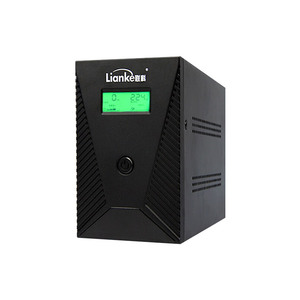
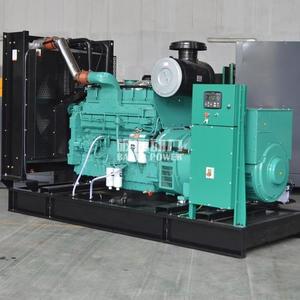
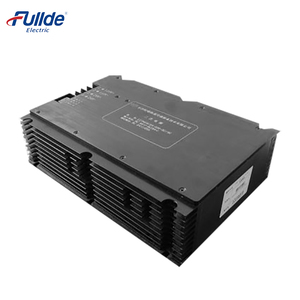
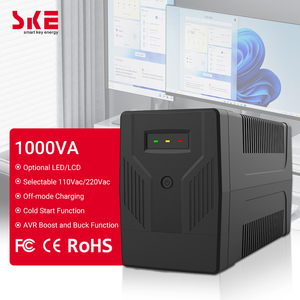
Modern telecommunications networks—spanning 5G standalone (SA) macro stations, dense urban small cells, fixed wireless access (FWA) towers, and fiber central offices—are experiencing an unprecedented surge in power density requirements. As operators expand network footprints while striving for Net-Zero carbon emissions, the choice of energy storage systems and DC power equipment has evolved from a passive hardware purchase into a strategic lever for uptime guarantee, operational expenditure (OPEX) reduction, and grid independence.
Core Procurement Metric: Leading global telecom operators are shifting evaluation criteria from upfront Capital Expenditure (CAPEX) to Total Cost of Ownership (TCO) over a 10-to-15-year lifecycle. Key drivers include volumetric energy density (Wh/L), cyclic life at high depth of discharge (DOD), thermal stability without active HVAC cooling, and full Ethernet/SNMP v3 remote management compliance.
China has emerged as the premier manufacturing hub and technical innovator for global telecommunications energy systems. Combining world-class lithium iron phosphate (LiFePO4) chemical synthesis with advanced digital power control, top Chinese telecom battery suppliers now deliver complete turnkey power architectures—ranging from rack-mounted 48V smart lithium battery packs to modular hot-swappable rectifier shelves and DIN-rail distribution systems.
Rooted in over three decades of specialized DC power engineering heritage (since 1986), our enterprise manufacturing network combines North American compliance standards with high-volume Chinese manufacturing scale. We eliminate single points of failure across the entire DC power chain—source, conversion, storage, distribution, and telemetry.
Designed specifically for 24/7/365 public-safety, emergency responder (P25), and carrier-grade 5G network loads. Built to perform continuously in uncontrolled outdoor environments from -40°C to +65°C.
Modular rectifier shelves accept hot-swappable power modules sharing load current dynamically. Configure N+1 or N+2 redundancy so failed modules can be swapped live without dropping the DC load.
Embedded HTTP web servers, SNMP v1/v2c/v3, and Modbus RTU communication enable real-time tracking of cell voltages, load current, temperature, and individual circuit breaker trip states.
Full product ecosystems covering 12VDC, 24VDC, and standard 48VDC operational buses. Includes isolated DC-DC converters to bridge legacy equipment on a unified battery bank.
Intelligent distribution panels offering load shedding, electronic fuse resetting, and dual-bus architecture (Feed A / Feed B isolation) to guarantee zero downtime during main line servicing.
All battery packs and power systems undergo rigorous UN38.3, MSDS, IEC 62619, CE, and UL 1973 certifications, guaranteeing seamless customs clearance and worldwide transport compliance.
Selecting the correct energy storage medium dictates thermal management costs, rack space utilization, and field service intervals. The table below outlines key engineering metrics comparing modern Smart Lithium Iron Phosphate (LiFePO4) against traditional Valve-Regulated Lead-Acid (VRLA) batteries.
| Engineering Metric | Smart LiFePO4 Battery | VRLA / AGM Lead-Acid | Telecom Procurement Impact |
|---|---|---|---|
| Volumetric Energy Density | 120 – 160 Wh/L High | 30 – 50 Wh/L | LiFePO4 saves up to 70% cabinet footprint; ideal for crowded 19" rack installations. |
| Cycle Life (80% DOD, 25°C) | 4,000 – 6,000+ Cycles | 500 – 800 Cycles | Eliminates replacement cycles. 15-year operational lifespan vs. 3-year VRLA swap-outs. |
| High-Temperature Tolerance | Operational up to +60°C | Degrades rapidly above +25°C | Drastically reduces requirement for site air conditioning, lowering electricity OPEX. |
| Usable Depth of Discharge (DOD) | Up to 95% - 100% | 50% Recommended Max | Smaller rated amp-hour (Ah) LiFePO4 bank matches output of larger VRLA bank. |
| Intelligent Telemetry Integration | Embedded Smart BMS (RS485/SNMP) | External Sensor Harness Required | Real-time cell-level voltage monitoring prevents localized thermal runaway events. |
| Weight Comparison | ~12 – 15 kg per 48V 100Ah | ~40 – 55 kg per 48V 100Ah | Allows wall-mounting and rooftop pole-mounting without structural reinforcement. |
While LiFePO4 carries a slightly higher initial purchase cost (~20-30% premium per kWh), its 10-to-15-year operational life, zero maintenance requirements, and minimal cooling footprint deliver a 45% to 60% lower Total Cost of Ownership (TCO) over a 10-year period compared to conventional Lead-Acid installations.
As energy tariffs fluctuate throughout the day, telecom operators are turning passive battery backups into active revenue-generating assets. Modern China-manufactured 48V smart lithium systems feature bidirectional energy flow management. During peak rate hours, the smart BMS feeds energy from stored battery banks back to offset site load or grid demand, recharging automatically during low-cost off-peak hours.
Field equipment theft remains a critical vulnerability in remote wireless deployments. Advanced telecom batteries exported from top Chinese suppliers now integrate internal software locks, GPS tracking microchips, and cell-level disable commands triggered via cloud interfaces when illegal disconnects or unauthorized cabinet movements are detected.
Off-grid and weak-grid telecom towers are adopting hybrid DC microgrids. Multi-input power shelves accept photovoltaic (PV) solar input alongside AC grid or diesel generator feeds. The intelligent controller prioritizes solar energy utilization, storing excess power in LiFePO4 banks while maintaining N+1 rectifier standby readiness for seamless fault protection.
Legacy distribution panels relied on simple passive thermal breakers. Future-ready sites demand remote power management (RPM). Engineers can remotely toggle individual circuit branches via web browser, power-cycle frozen radio heads or routers without sending field technicians, and configure automatic low-voltage load shedding (LVLD) to preserve battery power for critical backhaul links during extended power outages.
Sourcing industrial power systems internationally requires thorough technical auditing beyond basic commercial pricing. Below is a key technical verification checklist used by leading global procurement teams when auditing Chinese manufacturers:
Ensure the supplier utilizes 100% Brand-New Tier-1 Automotive-Grade (Grade A) LiFePO4 prismatic cells (e.g., EVE, CATL, BYD). Demand full laser code traceability records for internal impedance, capacity sorting, and voltage matching across every module series.
Verify that the Battery Management System (BMS) supports multi-pack parallel expansion (up to 16 or 32 units) with auto-addressing. Confirm native protocol compatibility with main telecom rectifiers (Vertiv, Huawei, ZTE, Eltek, Delta) via RS485, CANbus, and SNMP.
Require UN38.3 test reports, Material Safety Data Sheets (MSDS), and sea/air freight safety certificates. For European and North American markets, verify full compliance with IEC 62619, CE-EMC, UL 1973, and UL 9540A fire safety testing standards.
Audit the supplier's burn-in testing protocols. Enterprise-grade manufacturers execute 100% full-capacity thermal chamber cycle testing (-20°C to +55°C), high-vibration simulation, and automated short-circuit protection verification prior to packaging.
Direct technical answers to common questions asked by procurement directors, RF engineers, and network operations managers.
Looking to upgrade your telecom backup infrastructure, customize a 48V smart lithium project, or source high-reliability N+1 rectifier shelves? Our application engineers provide single-line diagram reviews, load budget calculations, and custom OEM proposals within 24 hours.