
Engineered for telecommunications, data centers, manufacturing plants, and mobile rental ecosystems. High-efficiency, modular power systems built to withstand demanding operational conditions.
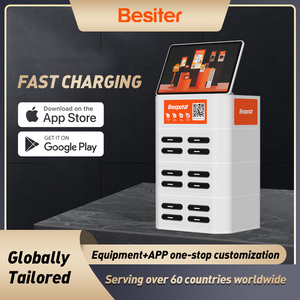
Integrated 10.1" interactive screen, high-density Li-Polymer battery matrix, universal USA plug interface for automated energy distribution.
Inquire Now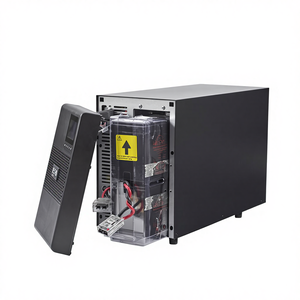
Precision regulated 9SX1000I zero-transfer time online tower architecture for power failure protection and clean sine wave delivery.
Inquire Now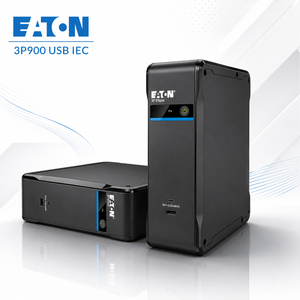
Hot-swappable 12V 9Ah battery module, featuring 97% ultra-high power conversion efficiency and whisper-quiet <25dB acoustic rating.
Inquire Now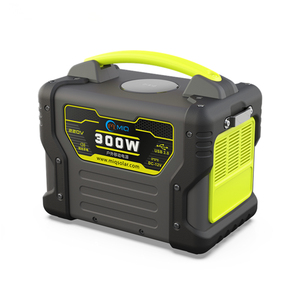
Heavy-duty 220V AC output integrated with long-lifecycle LiFePO4 battery chemistry for rugged field deployment and emergency backup.
Inquire Now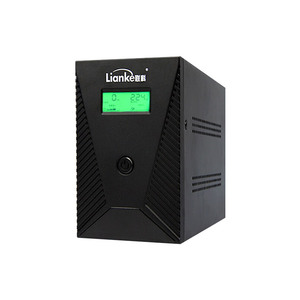
Compact, highly reliable standby power architecture specifically optimized for computer surveillance, IP monitoring, and edge security servers.
Inquire Now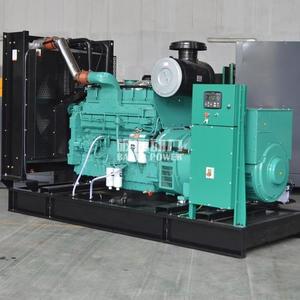
High-capacity industrial generator setup integrated into sound-attenuated protective enclosures for continuous utility-grade power fallback.
Inquire Now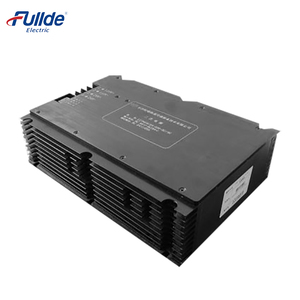
Custom engineered industrial power conversion enclosure featuring high surge immunity, wide operating thermal range, and fault isolation.
Inquire Now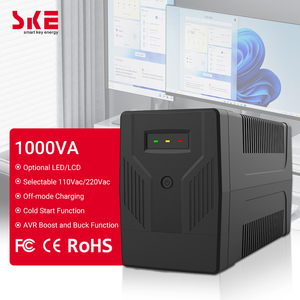
Automatic Voltage Regulation (AVR) technology bundled with long-life 12V 9AH battery backup for critical network nodes and telecom gear.
Inquire NowIn the era of 5G expansion, edge computing, smart grid automation, and mission-critical public safety networks (LMR/P25), the demand for zero-downtime electrical infrastructure has fundamentally evolved. Selecting a premier China power cabinet manufacturer requires evaluating multi-bus topology, thermal dissipation profiles, remote telemetry protocol integration (SNMPv3, MODBUS RTU, HTML5 web interfaces), and battery life management algorithms.
Modern power cabinets are no longer passive steel enclosures with simple circuit breakers. They are intelligent power distribution platforms designed to convert dirty utility AC input into highly stable 12 VDC, 24 VDC, or 48 VDC output rails while managing complex battery backup autonomy (LiFePO4 and Sealed Lead Acid). Incorporating N+1 modular hot-swappable rectifiers ensures continuous operation during component replacements, directly mitigating the astronomical costs associated with site outages.


Our power cabinet systems support scalable current-sharing rectifier shelves. Integrators can expand site capacity incrementally from 700W to multi-kilowatt configurations without de-energizing the main bus, achieving true N+1 redundant failover.
Every intelligent cabinet platform incorporates an embedded TCP/IP server, granting remote Network Operations Centers (NOC) granular visibility. Monitor per-circuit current draw, system temperature, load shedding state, and execute individual circuit power cycles remotely.
Designed to withstand harsh ambient extremes from -40°C to +70°C. Standardized enclosures feature IP55/IP65 ratings, integrated heat exchangers or climate control HVAC, anti-seismic bracing, and surge protection compliant with IEEE 1100 standard.
Backed by decades of specialized power electronics expertise (originating from North American design rigor and Chinese high-scale manufacturing speed), we provide single-line diagram review, thermal modeling, and tailor-made rack layouts within accelerated delivery windows.

Web-GUI access gives engineers full control over float voltage, low voltage disconnect (LVD) cutoffs, and load priority management.

Engineered specifically for 911 dispatch centers, emergency communications, and zero-drop utility control networks.

Traceable hardware revisions, global regulatory compliance (UL, CE, IEC, RoHS), and nationwide integration partnerships.
Compare technical topology metrics across our primary commercial power cabinet product families.
| Cabinet Platform | Nominal Bus Voltage | Thermal Efficiency | Redundancy Support | Remote Management | Primary Industrial Application |
|---|---|---|---|---|---|
| Intelligent DC Rectifier Shelves | 12V / 24V / 48V VDC | 95.5% - 97.4% | N+1 Hot-swappable | Ethernet SNMPv3, HTML5 GUI | Telecom Towers, Fixed Wireless, Fiber Huts |
| Standby Online UPS Cabinets | 110V / 220V / 380V AC | 92.0% - 95.0% | Parallel Redundant (N+X) | Modbus RTU, Dry Contacts, Web | Industrial Data Servers, Medical, Factory Automation |
| Outdoor Hybrid LiFePO4 Cabinets | 48V / 51.2V VDC | 98.0% (DC-DC) | Integrated Battery BMS Matrix | Cloud IoT Telemetry & GPS | Remote Microgrids, Off-grid Solar, Edge Computing |
| DIN-Rail Industrial Supplies | 12V / 24V VDC | 89.0% - 93.0% | Diode OR-ing Modules | Dry Contact Alarm Relays | SCADA Cabinets, Traffic Signaling, Control Panels |
Global B2B procurement is rapidly transitioning away from legacy Valve-Regulated Lead-Acid (VRLA) batteries to integrated Lithium Iron Phosphate (LiFePO4) cabinets. LiFePO4 offers 3x the cycle life, 70% footprint reduction, and superior operational thermal tolerance up to 60°C without air-conditioning energy penalties.
Modern supply contracts prioritize intelligent remote diagnostics. Next-generation power cabinets embedded with IoT microcontrollers dynamically track battery internal resistance, component thermal degradation, and ambient conditions to predict failures weeks before an actual service loss occurs.
Modular cabinet architectures reduce total cost of ownership (TCO) by enabling plug-and-play capacity scaling. Standardization of 19-inch rack enclosures, standardized backplanes, and recyclable materials reduces electronic waste while permitting rapid field upgrades.
Crucial technical guidelines for procurement officers, system integrators, and electrical engineers specifying China-manufactured power cabinets.
A single-bus distribution panel routes electricity from one common DC input or single battery string to all load breakers. This configuration maximizes cost-efficiency and is ideal for basic network nodes. A dual-bus power distribution panel houses two electrically isolated buses (Bus A and Bus B) inside a single cabinet chassis. Dual-bus systems are mandatory for high-availability mission-critical operations where redundant power supplies (dual-corded servers or radios) require separate backup feeds to eliminate single points of failure.
For North American and European deployments, ensure the power cabinet manufacturer provides verifiable test reports for: IEC/EN 62368-1 (Audio/video, information and communication technology equipment safety), UL 1778 / UL 60950-1 (Uninterruptible Power Supply equipment safety standard), CE EMC Directive 2014/30/EU (Electromagnetic Compatibility), and ISO 9001:2015 quality management systems. Outdoor enclosures should also carry certified IP55 or IP65 ingress protection ratings under IEC 60529.
Intelligent power cabinets feature an embedded web server controller card equipped with an RJ45 Ethernet connection. The unit broadcasts operational metrics—such as system bus voltage, individual load currents, battery state of charge (SOC), and enclosure temperature—via SNMP v1/v2c/v3 traps. Network engineers can integrate these data streams into existing Enterprise Management Software (SolarWinds, PRTG, Nagios) to trigger automatic email/SMS alerts or cycle individual remote circuit breakers via browser or automated scripting.
N+1 redundancy specifies that a modular power system contains one additional rectifier module beyond the minimum quantity (N) required to power the full equipment load. For instance, if a site requires 2000W of DC power and uses 1000W modules, an N+1 design deploys 3 modules (3000W total capacity). If one module suffers a component fault, the remaining two modules dynamically absorb the load without system interruption. Hot-swappable architecture allows maintenance technicians to pull and replace the damaged module while the system stays fully energized.
Yes. Custom power cabinets frequently incorporate internal isolated DC-DC converters or pure sine wave inverters alongside primary rectifier shelves. This permits a master 48 VDC battery bus to power standard 48V telecom gear while step-down converters simultaneously deliver auxiliary 12V or 24V rails for SCADA controllers or IP security cameras, all housed in a single space-saving enclosure.
Consult directly with our senior application engineering team. Share your load profile, autonomy targets, and enclosure constraints for a comprehensive design proposal within 24 hours.