
High-density uninterruptible power supplies (UPS), intelligent DC conversion modules, emergency LiFePO4 energy storage units, and industrial standby systems designed for OEM/ODM global deployment.
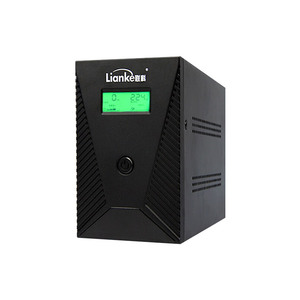
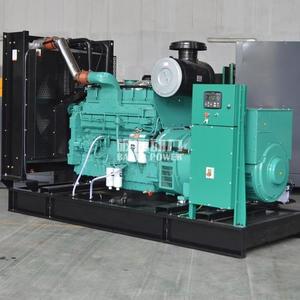
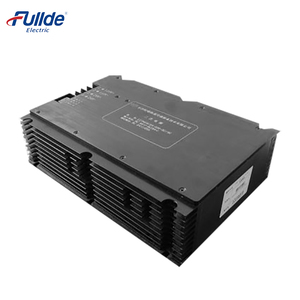
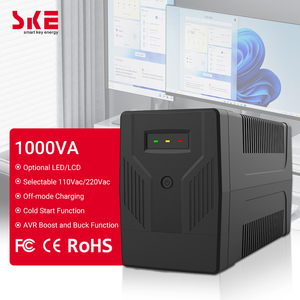
As modern telecommunications transition toward ultra-dense 5G Standalone (SA) and emerging 6G heterogeneous architectures, the demand for small cell deployment has reached an unprecedented peak. Unlike traditional macro cell towers that cover massive geographic footprints, small cells—comprising microcells, picocells, and femtocells—require localized, highly concentrated, and low-latency power delivery systems. Sourcing these specialized units directly from accredited OEM/ODM Small Cell Factories & Exporters has become a critical procurement mandate for Tier-1 mobile network operators (MNOs), original equipment manufacturers, and private network system integrators worldwide.
Small cell power architectures demand uncompromising engineering standards. Cabinets mounted on municipal light poles, transit hubs, and commercial rooftops operate under harsh environmental stress, constrained space envelopes, and volatile grid input. Consequently, turnkey OEM/ODM manufacturing partner capabilities must span high-efficiency switched-mode power supplies (SMPS), hot-swappable N+1 modular rectifiers, dynamic battery energy storage systems (BESS), and intelligent remote monitoring protocols (SNMP v3 / HTML5 web interfaces).
Combining decades of North American power engineering heritage with agile, high-capacity Asian and global export production facilities.

Our OEM/ODM manufacturing framework is built on a single, focused discipline: converting, backing up, distributing, and remotely managing low-voltage DC power (12 VDC, 24 VDC, and 48 VDC) for mission-critical installations where network outages directly equate to severe financial and public safety costs.

In modern small cell deployments, dispatching a service technician ("truck roll") to reset a frozen radio node or verify battery state represents a major operational expense (OPEX). Our intelligent OEM/ODM small cell power systems feature embedded TCP/IP web servers and native SNMP integration.
Engineers can monitor per-circuit load current, total bus voltage, operating temperature, and alarm statuses directly from any web browser or Centralized Network Management System (NMS). Remote power cycling of individual distribution channels ensures 99.999% ("five-nines") network availability without physical site intervention.
From pole-mount micro-shelters to enterprise indoor DAS installations, our factory lines produce turnkey, custom-branded DC infrastructure.
Hot-swappable 700W to 3000W rectifier modules engineered with Gallium Nitride (GaN) power devices achieving >96.5% thermal efficiency, drastically lowering cooling costs in sealed outdoor enclosures.
Rack-mount and DIN-rail distribution panels offering circuit breaker or hydraulic-magnetic protection, individual channel current metering, and dynamic load shedding during grid outages.
Low-noise DC-to-AC inverters providing ultra-clean sine wave power for specialized auxiliary monitoring gear, environmental sensors, and legacy AC site equipment.
Ultra-compact DIN-mount power supplies and power distribution units (PDUs) designed specifically for space-constrained lamp post enclosures and fiber junction boxes.
High cycle life, lightweight Lithium Iron Phosphate battery units with integrated BMS communication protocols, optimized for deep discharge cycles and high operating temperatures.
Heavy-duty step-up and step-down converters ensuring stable operational voltage rails across long cable runs, avoiding ground loop interferences in multi-tenant cell towers.
Key technological shifts driving global OEM/ODM procurement decisions for next-generation telecommunication infrastructure.
The global small cell market is undergoing a structural evolution driven by the convergence of 5G Advanced (Release 18+), Open RAN (O-RAN) architectures, edge computing nodes, and municipal smart city integration. OEM/ODM buyers must align their procurement strategies with four pivotal technology trajectories:
Legacy telecom power supplies operate on rigid, static configurations. Next-generation small cell factories are embedding edge processing chips into DC rectifiers to enable Software-Defined Power. Under grid congestion or power curtailment scenarios, intelligent rectifiers dynamically throttle lower-priority non-essential channels (e.g., public Wi-Fi or municipal cameras) while preserving maximum power budget for emergency 911 / P25 public safety radios and 5G cellular carriers.
Lead-acid (VRLA) batteries are rapidly being phased out across global export markets due to weight constraints, short cycle lifespans, and environmental disposal hazards. OEM/ODM small cell exporters are now standardizing on compact Lithium Iron Phosphate (LiFePO4) modules and hybrid supercapacitor reserves. These provide over 4,000 discharge cycles, support fast recharge (1C-2C rates), and operate reliably at ambient temperatures exceeding 60°C without requiring active air conditioning.
By replacing traditional silicon MOSFETs with Gallium Nitride (GaN) and Silicon Carbide (SiC) switching components, factory rectifiers are achieving switching frequencies five times faster. This dramatically reduces transformer magnetic sizes, shrinking the overall physical footprint of 1U/2U rack shelves while pushing electrical efficiency beyond 97%. Lower thermal dissipation translates directly to fanless, convection-cooled designs ideal for silent urban deployments.
As small cells become embedded in critical municipal infrastructure, power management networks represent potential cyber-attack vectors. Modern OEM/ODM exporters are mandating advanced cybersecurity compliance within power controller firmware—incorporating HTTPS, TLS 1.3, SNMP v3 with AES-128/256 encryption, and cryptographic boot verification to prevent unauthorized firmware tampering.
Engineering benchmark reference for telecom buyers and integrators configuring small cell site topologies.
| Power System Architecture | Nominal Bus Input/Output | Primary Application Fit | Redundancy & Monitoring Features |
|---|---|---|---|
| Modular Hot-Swap Rectifier Shelves | -48 VDC / 24 VDC (100A–300A) | Multi-carrier 5G Macro/Micro sites, Central Offices | N+1 / N+2 Hot-Swap, SNMP v3, HTML5 Web Interface, Dual LVD |
| DIN-Rail Compact Power Packs | 12 VDC / 24 VDC / 48 VDC (10A–40A) | Smart Light Pole Small Cells, Fiber Nodes | DIN PDU integration, Convection Cooled, Battery Charger built-in |
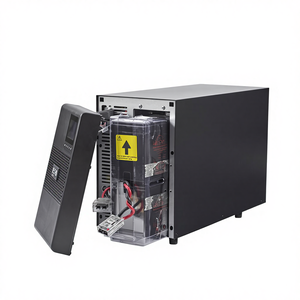
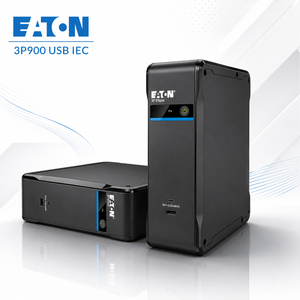
| Standalone Online Tower UPS | 1KVA – 3KVA AC Pure Sine | Indoor Enterprise DAS, Edge Server Cabinets | Zero Transfer Time (<0ms), Line-Interactive/Online Double Conversion |
| Isolated DC-DC Voltage Converters | 48V to 12V / 24V to 48V Step-Up/Down | Mixed-Voltage Radio Enclosures & Microwave Backhaul | Galvanic Isolation 1500VDC, Wide Operating Temp (-40°C to +75°C) |
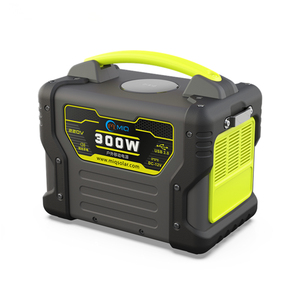
| Emergency Outdoor LiFePO4 Energy Packs | 48 VDC / 100Ah – 200Ah Capacity | Unreliable Grid Sites, Off-Grid Solar Hybrid Telecom | Integrated Smart BMS, CAN/RS485 Bus Telemetry, Deep Cycle Life |
Expert answers from our OEM/ODM application engineering team regarding manufacturing capabilities, technical parameters, and global export compliance.