
Explore high-performance power enclosures, uninterruptible power cabinets, and field-deployable standby platforms manufactured to ISO 9001 and IEC standards.
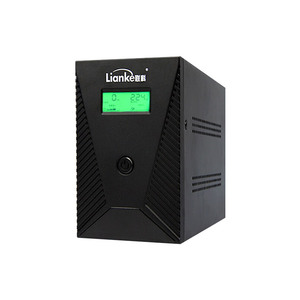
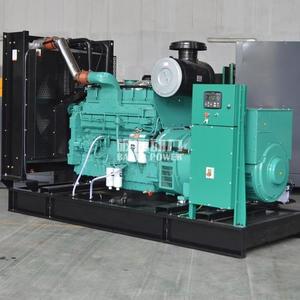
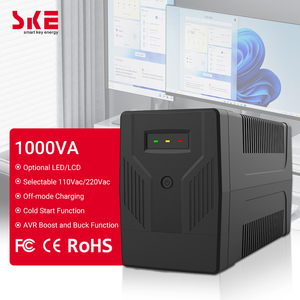
An engineering-first analysis of structural integrity, thermal dynamics, ingress protection, and supply chain strategies for international procurement directors.
In modern telecommunications, smart grid automation, industrial IoT (IIoT), and edge computing architecture, the physical equipment cabinet serves as the first line of defense for critical electronics. No longer viewed as passive sheet-metal boxes, today's equipment cabinets are sophisticated environmental protection systems equipped with intelligent thermal regulation, power distribution units (PDUs), energy storage integrations, and remote telemetry modules.
China has solidified its position as the global center for industrial equipment cabinet engineering and export. Combining full-spectrum metallurgical supply chains, advanced CNC laser cutting, robotic welding precision, and modular design standards, top-tier OEM/ODM factories in China produce specialized enclosures for deployment in extreme operating environments—from sub-zero Arctic telecom shelters to hyper-saline coastal solar farms.
However, procuring equipment cabinets at scale requires rigorous technical evaluation. B2B buyers must navigate structural sheet metal standards (SPCC vs. Galvanized vs. Aluminum alloy), thermal management physics (air-to-air heat exchangers vs. thermoelectric cooling vs. compressor HVAC), and global compliance frameworks (IEC 60529 IP ratings, NEMA standards, and ISO certification). This whitepaper provides engineering insights to streamline your procurement process, reduce total cost of ownership (TCO), and prevent field outages.
Key performance indicators that define premier Chinese wholesale cabinet manufacturing and export operations.
Matching internal equipment heat dissipation and environmental exposure to the optimal enclosure configuration.
| Cabinet Category | Protection Rating | Thermal Management | Typical Applications | Key Structural Material |
|---|---|---|---|---|
| Outdoor Telecom Enclosures | IP55 / IP65 / NEMA 3R | HVAC Air Conditioner / Heat Exchanger | 5G Small Cell, LMR Base Stations, Fiber Huts | Double-wall Galvanized Steel / Al-Mg Alloy |
| Industrial Power & Battery Cabinets | IP54 / IP65 | Forced Air Cooling / TEC Thermoelectric | Substation Backup, UPS Battery Racks, Solar Energy | SPCC Cold Rolled Steel (1.5mm - 2.5mm) |
| Edge Data Center Micro Racks | IP20 / IP54 (Indoor/Outdoor) | Intelligent Variable-Speed Fan Tray / Closed HVAC | Smart Factory Edge Compute, CCTV Monitoring Nodes | 19-Inch EIA-310-D Structural Rack Frames |
| Severe Environment Enclosures | IP66 / NEMA 4X / NEMA 6P | Passive Conduction / External Heat Sink Heat Pipe | Offshore Platforms, Chemical Plants, Mining Sites | 316L Stainless Steel / Anodized Aluminum |
Premier factories utilize 1.5mm to 2.5mm heavy-gauge cold-rolled steel or aluminum alloys. Multi-stage surface pretreatment includes zinc phosphate washing followed by thermosetting outdoor-grade epoxy powder coating (80-120μm thickness) to prevent chalking, UV degradation, and red rust.
Thermal calculations dictate cabinet lifespan. Modern designs separate solar heat gain from internal active thermal loads (rectifiers, UPS systems, LTE switches). Dual-compartment cabinet layouts isolate sensitive battery strings in thermo-regulated chambers while allowing power components to vent safely.
Advanced cabinets come pre-wired with IoT sensors (smoke, door intrusion, liquid leak, humidity, temperature). Embedded web-servers and SNMP monitoring cards expose real-time metrics, allowing network operations centers (NOC) to monitor site health without field technician dispatches.
Combining world-class power engineering heritage with agile, high-capacity custom manufacturing.
Following design standards proven across land mobile radio (LMR), fixed wireless broadband, and public safety networks, exported cabinets are optimized for continuous 24/7/365 uptime. Modular rectifiers, hot-swappable PDU modules, N+1 power redundancy, and low-voltage battery disconnect (LVBD) circuits ensure installed communication gear stays live even during main AC grid failures.
Top China exporters do not just ship bare metal enclosures; they engineer complete integrated DC power plants inside the cabinet. From DIN-rail power supplies to pure sine wave inverters and isolated DC-DC converters, cabinets can be factory-configured, wired, and load-tested before export shipping, vastly reducing field installation labor.
Whether you require specific EIA 19-inch mounting depths, customized cable gland entry plates, customized RAL color powder coating, or private label branding, qualified Chinese factories offer rapid 3D CAD modeling and prototype turnaround within 10 to 14 business days, allowing seamless field trial deployments.
Leading exporters operate under certified ISO 9001, ISO 14001, and ISO 45001 management systems. Cabinets undergo rigorous Factory Acceptance Testing (FAT), including rain spray testing for IP ratings, thermal shock room evaluation, vibration testing for seismic resistance, and electrical safety dielectrics (Hi-Pot) testing.
Our technical engineering team reviews single-line diagrams, thermal loads, and structural requirements to deliver factory-direct turnkey quotations.
Inquire NowKey technological shifts reshaping the design, manufacturing, and deployment of industrial enclosures over the next decade.
Legacy lead-acid battery cabinets are being rapidly phased out in favor of compact, high-cycle Lithium Iron Phosphate (LiFePO4) battery packs. Next-gen cabinets feature integrated battery management systems (BMS) with automated cell balancing, active thermal runaway suppression, and reduced spatial footprint—allowing 300% more energy storage capacity within standard cabinet footprints.
Energy consumption by cabinet cooling units accounts for up to 40% of remote site operational expenditure. Modern manufacturers are implementing variable-refrigerant inverter compressors and EC fans controlled by microprocessors. Dynamic thermal regulation adjusts cooling intensity based on actual thermal load and external ambient conditions, drastically reducing site power consumption.
As 5G standalone networks and smart cities expand, processing power is shifting to remote outdoor edge nodes. Equipment cabinet design is evolving from simple power distribution boxes into self-contained Micro Data Centers containing integrated fire suppression (Novec 1230/FK-5-1-12), UPS systems, access control security, and remote IP-KVM control.
With major telecom buildouts occurring in coastal and tropical regions, demand for marine-grade enclosures is accelerating. Exporters are shifting toward high-phosphorus powder coats, stainless steel 316 structural framing, and eco-friendly chromate-free surface passivations that satisfy stringent European REACH and RoHS environmental standards.
Physical security at unattended remote sites is now a top priority. Premier wholesale cabinets are integrating RFID electronic lock handles, biometric access control, video surveillance triggers, and encrypted SNMPv3 transmission protocols to protect critical infrastructure from tampering, vandalism, and unauthorized physical entry.
Global procurement teams are demanding fully pre-wired enclosures shipped directly from China factories to field installation sites. By pre-installing rectifiers, batteries, circuit breaker panels, and fiber splice trays at the factory, integrators can reduce field setup time from days to hours, accelerating site commissioning timelines.
Direct answers from industrial cabinet design engineers to clear common international buyer concerns.
For standard off-the-shelf equipment cabinets, MOQs generally start at 5 to 10 units. For fully customized OEM designs requiring specialized CNC tooling, custom sheet metal stamping dies, or unique powder coat colors, the typical standard MOQ ranges from 20 to 50 units. Sample prototype orders (1-3 units) are routinely supported for engineering validation prior to mass production commitments.
The choice depends on your target internal temperature relative to external ambient conditions:
For high-salinity coastal environments, we recommend 316L Stainless Steel or high-grade Aluminum Magnesium Alloy (5052-H32) with a marine-grade powder coating (minimum 100μm dry film thickness). If using galvanized steel, ensure hot-dip galvanizing or zinc-nickel plating with a minimum 1,000-hour salt spray test rating according to ASTM B117 standards.
Yes. Top-tier exporters specialize in full system integration. You can either specify power hardware manufactured directly in China (such as 48V DC rectifier shelves, pure sine wave inverters, and Smart PDUs) or drop-ship your proprietary 3rd-party devices to the factory for custom mounting, wiring harnesses, factory acceptance testing (FAT), and unified container packing.
Depending on your region and target application, ensure your supplier provides:
Standard export packaging includes vacuum-sealed anti-static moisture-barrier wrapping, heavy-duty EPE foam corner protection, and reinforced ISPM-15 compliant heat-treated wooden crates or heavy-duty triple-wall corrugated cartons secured on wooden pallets. Moisture absorber desiccant packs are inserted into every cabinet chamber to prevent internal condensation during sea freight transit.
Get in touch with our senior application engineering team to request detailed CAD drawings, custom thermal calculations, or factory direct wholesale pricing for your upcoming network deployment.
Inquire Now