
Engineered for mission-critical telecommunications, industrial control, and backup energy infrastructure.

22.5W fast charging power rental node featuring a 10.1" interactive control display and integrated Li-Polymer battery safety management.
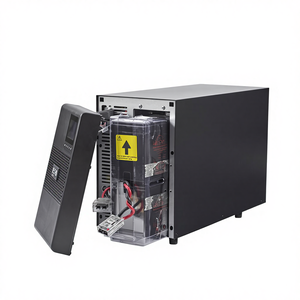
1000VA/900W double-conversion online power supply engineered for continuous grid stabilization and standby failover support.
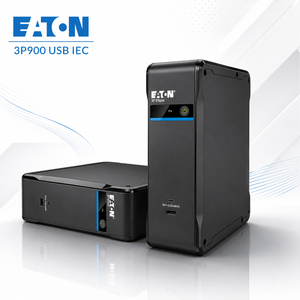
Single-phase backup supply with 12V 9Ah user-replaceable battery, delivering 97% operating efficiency and ultra-quiet <25dB acoustics.
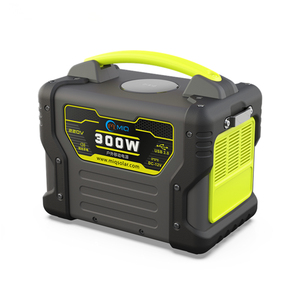
High-capacity rechargeable lithium iron phosphate mobile power station designed for extreme environment standby field operations.
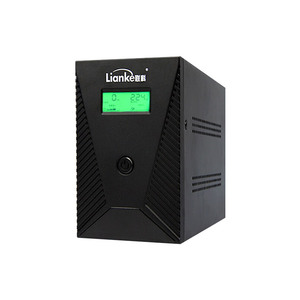
480W compact offline uninterruptible power supply engineered specifically for security telemetry, CCTV, and network monitoring hubs.
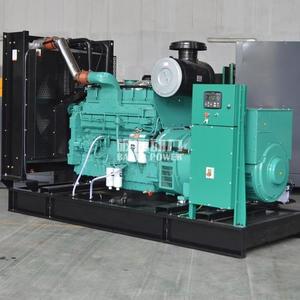
Industrial-grade emergency standby generator tailored for complex manufacturing plants, high-capacity switchgear, and utility backbones.
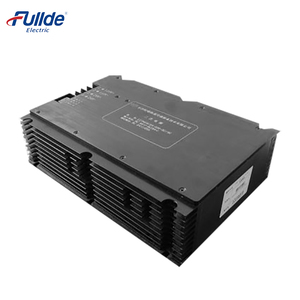
Precision-engineered emergency standby power conversion chassis built for defense, critical medical infrastructure, and remote radio sites.
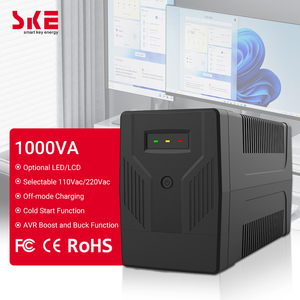
Automatic Voltage Regulation (AVR) standby backup featuring 12V 9AH battery protection for industrial remote server racks.
In contemporary industrial, telecommunications, and mission-critical installations, fuse panels serve as the vital defensive backbone for low-voltage Direct Current (DC) power management. Historically simple mechanical busbars, modern CE-certified fuse panels have evolved into sophisticated digital power management centers capable of proactive fault isolation, real-time load distribution, and Ethernet telemetry integration.
As global infrastructure shifts toward hybrid microgrids, 5G densification, and automated industrial processing, the demand for high-reliability circuit protection certified under the European Conformity (CE) directives—specifically the Low Voltage Directive (LVD 2014/35/EU) and Electromagnetic Compatibility (EMC 2014/30/EU)—has reached an all-time high.

Combining North American circuit design engineering heritage with strict European compliance verification since 1986.
Fully validated under EU directives for electrical safety, short-circuit withstand rating (Icw), flame retardancy (UL94-V0), and RoHS3 compliance.
Embedded web-server controllers supporting SNMPv3, HTTPS, and email alarm traps down to individual fuse circuit positions.
Supports GMT, TPA, TPS, and Maxi fuse block configurations, allowing live circuit modifications without interrupting adjacent active buses.
100% full-load thermal burn-in, dielectric withstand verification, and automated automated optical inspection (AOI) before shipment.
Analyzing key structural shifts in high-reliability power management, intelligent load balancing, and eco-design standards.
While traditional mechanical fuses (GMT, TPA) remain industry mainstays due to physical galvanic isolation, next-generation procurement specifies hybrid panels integrated with electronic current sensors (e-Fuses). These systems provide sub-millisecond fault detection alongside traditional melt-element backups, offering predictive fault warning before complete circuit severance.
Modern remote telecom enclosures and off-grid industrial nodes increasingly run on hybrid solar-lithium-diesel architectures. Modern CE-certified fuse distribution units are expected to feature programmable, multi-stage Low Voltage Disconnect (LVD) contactors that automatically trip non-essential load channels during utility outages to prolong critical radio autonomy.
Cabinet space inside 5G small-cell poles and outdoor edge compute enclosures commands a high premium. Future procurement specifications prioritize 19-inch and 23-inch rack-mount panels that compress up to 20 dual-bus output positions into a 1U chassis without violating thermal derating guidelines or CE clearance/creepage thresholds.
A comprehensive engineering framework to assist procurement officers and design engineers in matching load requirements to optimal bus panel architectures.
| Architecture Class | Nominal Bus Voltages | Fuse Types Supported | Max Current Rating | Remote Telemetry | Target Application |
|---|---|---|---|---|---|
| Smart Dual-Bus Fuse Panel | 12VDC / 24VDC / 48VDC | GMT, TPA, TPS | 200A Continuous per Bus | Ethernet (HTML5, SNMPv3) | 5G Base Stations, Mission-Critical LMR Repeater Sites |
| High-Current Single Bus | 24VDC / 48VDC | Maxi, TPA, Circuit Breaker | 400A Continuous total | Form-C Dry Contacts | Central Office Power Distribution, Battery Plant Main Feeds |
| DIN-Rail Industrial Distribution | 12VDC / 24VDC | Standard Blade (ATO/ATC), Glass 5x20mm | 60A total (10A max per ch) | Optional Modbus RTU | SCADA Systems, Industrial Control Cabinets, Automation Hubs |
| Hybrid Fuse & Breaker Panel | -48VDC Nominal (36-60VDC) | GMT Fuse + Bullet Breakers | 250A Dual Feed (A/B) | TCP/IP Web Console + REST API | Colocation Data Centers, Edge Compute Nodes, Fiber Backhaul |
| Compact 1U GMT Distribution | 12VDC / 24VDC / 48VDC | GMT Fuses (0.18A to 15A) | 100A total (10 Pos per Bus) | Visual Alarm LEDs + Dry Contacts | Land Mobile Radio (LMR), Microwave Transmission Links |
Addressing core technical, regulatory, and logistics queries from global B2B procurement officers and engineering teams.
To legally display the CE mark for export into the European Economic Area (EEA), a DC fuse panel must demonstrate compliance with two main directives:
1. Low Voltage Directive (LVD) 2014/35/EU: Ensures electrical safety, insulation resistance, adequate creepage/clearance distances, and protection against electric shock under standard EN 60947-1 / EN 61439-1 testing.
2. Electromagnetic Compatibility (EMC) Directive 2014/30/EU: Verifies that integrated telemetry/control cards do not emit electromagnetic interference and maintain immunity against industrial surge/EFT transients (EN 61000-6-2 / EN 61000-6-4).
A Single-Bus panel accepts one primary DC power input feed (e.g., from a rectifier or single battery bank) and distributes it across all output protection fuse channels. It is cost-effective and ideal for standard applications.
A Dual-Bus (A/B Redundant) panel features two completely electrically isolated input buses within a single physical chassis. This allows dual power supplies or redundant battery feeds to power critical loads (such as dual-power server switches or radio repeaters). If Bus A suffers a total failure or fuse trip, Bus B continues powering the load without service downtime.
Integrated Ethernet monitoring eliminates expensive "truck rolls" (dispatching field technicians) by exposing real-time operational data via a secure browser interface or SNMP management system. Engineers can monitor individual channel load currents, detect blown fuses instantly via automated notifications, log historical power usage, and remotely reset/power-cycle latched loads.
Standard fuse ratings are evaluated at 25°C. In hot outdoor enclosures or unconditioned utility shelters where internal temperatures can reach 50°C to 65°C, thermal derating curves must be applied. CE-certified high-temperature fuse panels utilize oversized copper busbars and high-temp glass-filled polyamide insulators, allowing them to maintain up to 80-90% continuous load capability at elevated temperatures without nuisance tripping.
Yes. As an established direct manufacturer, we offer full OEM/ODM engineering services. We can configure busbar layouts for 12VDC, 24VDC, 48VDC, or -48VDC telecom standards, customize terminal block types (stud connectors, cage-clamp screwless terminals), and integrate proprietary monitoring cards tailored to your existing software stack.
Standard catalog models typically carry a 2-to-3 week manufacturing lead time, while custom engineered configurations require 4-to-6 weeks including factory prototype verification. MOQs are flexible depending on whether the requirement is a standard catalog unit or a bespoke OEM design.
Consult directly with our DC power application specialists to design, specify, or procure CE-certified fuse panels and intelligent distribution systems for your upcoming infrastructure projects.
Contact Us