
+1 877 930 0717 (NA Toll Free) Langley, BC, Canada DC Power Engineering Since 1986
0%

Choosing Small Cell DC Power Solutions in 2026 starts with the site, not the product brochure. A rooftop cabinet, street-level pole, and indoor venue each bring different constraints. Space may be tight. Heat, dust, vibration, and limited access can complicate installation and maintenance. A solution that performs well in a laboratory may need closer review in a crowded street cabinet.

Start by documenting the actual load, including radio equipment, transmission devices, and expected growth. Check the required DC voltage, peak demand, backup duration, and available AC supply. Then compare rectifier capacity, battery chemistry, monitoring features, and protection against surges. Ask vendors for test data, operating limits, warranty terms, and service requirements. Verify that the proposed system fits the site’s environmental conditions and applicable technical standards. Details matter.

A practical choice should also make routine work manageable. Can a technician read alarms remotely, replace a battery module safely, and identify a failing rectifier without dismantling the whole cabinet? These questions affect uptime and operating cost. Total cost of ownership includes energy use, battery replacement, site visits, and spare parts—not just the purchase price. Still, forecasts can be wrong. Traffic may grow faster than expected, or a planned site upgrade may be delayed. Build in reasonable capacity, but avoid paying for unused headroom without a clear reason. The best Small Cell DC Power Solutions balance reliable backup, efficient operation, and straightforward maintenance. Compare options against measured site needs, and revisit assumptions before committing. A careful review will not remove every uncertainty. It can make the trade-offs visible.
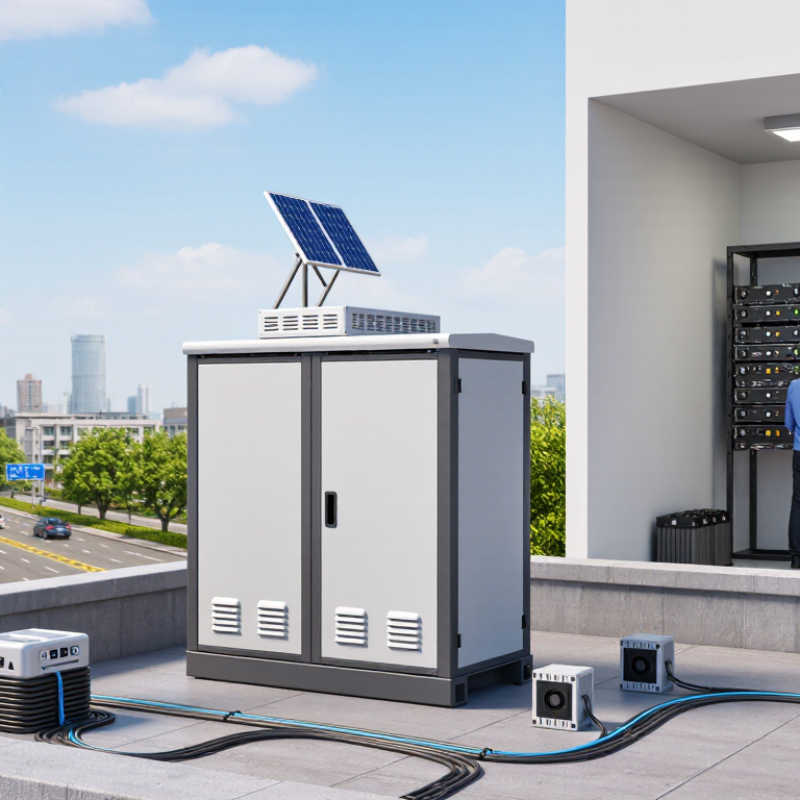
How to Choose Small Cell DC Power Solutions in 2026?

Measure Radio, Backhaul, and Cooling Loads Before Choosing a DC Plant

A small-cell DC plant should begin with measured loads, not a catalogue rating. Record radio power at busy hour, idle draw, startup surge, and battery recharge current. Include backhaul switches, timing units, sensors, and fans. The November 2024 Mobility Report estimates global mobile data traffic reached 145 EB per month in late 2024 and may reach 313 EB by 2030. Traffic growth can quietly raise radio and transport demand.

Cooling deserves equal attention. Every watt consumed indoors becomes heat. Measure enclosure temperature, solar exposure, airflow, and fan duty cycle across several days. A sealed roadside cabinet may need cooling even when the radio load looks modest. The Small Cell Forum’s 2024 market analysis also reflects varied deployment conditions, from dense venues to rural coverage sites. One fixed cooling assumption will fail somewhere.

Use real measurements to build three cases: normal, peak, and degraded cooling. Add headroom after validating the worst case, not before. 3GPP power specifications help define radio behavior, but they do not replace site measurements. A neat spreadsheet can still be wrong. I have seen designs count radio watts while overlooking battery charging and backhaul heat. Select DC voltage, rectifier capacity, battery autonomy, and thermal controls together. Recheck them after installation, because field conditions rarely match the first survey.

Check IEEE 802.3bt PoE: 90 W at PSE, up to 71.3 W at PD

Small Cell DC Power Solutions in 2026 must match real load, cable losses, and future radio upgrades. IEEE 802.3bt defines up to 90 W at the Power Sourcing Equipment, but only up to 71.3 W reaches the Powered Device. The 18.7 W difference is not spare capacity. It covers cable resistance, connector losses, and power-delivery overhead. A radio drawing 65 W may operate safely, but a 70 W design leaves little thermal margin.

GSMA Intelligence’s 2024 Mobile Economy report forecasts 5G will represent 56% of global mobile connections by 2030. Higher site density will increase demand for compact, remotely powered cells. Field testing matters more than a spreadsheet. Measure startup current, cable temperature, voltage drop, and nighttime traffic behavior. A solution rated for 90 W may still fail under long cable runs or poor ventilation. That uncomfortable detail is easy to miss.

Tips: Check the 71.3 W PD limit first. Keep headroom above measured peak load. Use short, correctly rated cables. Verify grounding and surge protection. Document results at the highest ambient temperature. Also question the report’s assumptions; installed conditions rarely look perfect.

Match the -48 V DC Bus to ETSI EN 300 132-2 Requirements

How to Choose Small Cell DC Power Solutions in 2026?

Match the -48 V DC Bus to ETSI EN 300 132-2 Requirements

A small cell power system should deliver the required -48 V DC interface at the equipment terminals, not just at the rectifier. ETSI EN 300 132-2 sets requirements for the DC interface used by telecommunications equipment. Check the applicable edition and confirm the voltage limits for your equipment before selecting rectifiers, batteries, and distribution units. Small details matter.

Cable length changes the voltage seen by a radio unit. Calculate voltage drop at peak load, including connector and fuse resistance. Confirm polarity, return-path design, grounding, and protection with the site requirements. Also assess battery operation, load steps, and recovery after an outage. A tidy spreadsheet can still miss a warm connector or an unexpectedly long cable run. That deserves a second check.

Tips: Measure voltage at the equipment input under realistic load. Compare readings with the applicable ETSI interface limits, and document test conditions. Leave room for growth, but avoid oversizing without checking efficiency and thermal limits.

Size Rectifiers and Batteries for Peak Load and Required Backup Hours

How to Choose Small Cell DC Power Solutions in 2026?

In 2026, small cell power design should begin with measured demand, not a hopeful estimate. Record idle, typical, and worst-case current at the site. Peak load matters. Include radios, transport equipment, cooling fans, and control units in the calculation. Add future capacity for traffic growth and possible hardware changes. Rectifiers should support the highest expected DC load while maintaining safe charging current. An N+1 arrangement can keep the site operating when one rectifier is unavailable. However, excessive oversizing wastes capital and may reduce operating efficiency.

Battery capacity must match the required backup hours, not only the battery nameplate. Convert the peak DC demand into watt-hours, then adjust for inverter or distribution losses, temperature, aging, and the manufacturer’s recommended discharge limit. A cold outdoor cabinet may deliver less usable capacity than laboratory figures suggest. Use site measurements and verified discharge curves. Small calculation errors become serious during long outages.

Tips: Check the load at different times. Measure cable voltage drop. Test battery temperature assumptions. Review growth plans honestly. A spreadsheet can still lie. Where conditions are uncertain, document the assumption and verify it with a field test. A modest reserve is sensible, but an unexplained reserve deserves review. Teams often size for average load and regret it during maintenance or extreme weather.

Verify Lithium Battery Safety Against IEC 62619 Before Deployment

How to Choose Small Cell DC Power Solutions in 2026?

Small-cell sites often sit in tight cabinets, on rooftops, or beside street-level equipment. Their DC power system must fit the space, handle local temperatures, and keep backup loads running. Ericsson’s June 2024 Mobility Report recorded a 25% year-on-year rise in global mobile network data traffic in the first quarter of 2024. Growing traffic makes reliable site power important—but battery safety should not be an afterthought.

Before deployment, check that the lithium battery system has been evaluated against IEC 62619:2022, which covers safety requirements for industrial lithium cells and batteries, including stationary applications. Ask for the exact test report and model identification, not just a general compliance claim. Review protections against overcharge, overheating, short circuits, and cell imbalance. Then confirm the battery management system can communicate alarms to the site controller. Paperwork helps. Physical inspection matters, too: look for secure terminals, clear labels, and a cabinet layout that allows heat to escape.

Tips: Match battery capacity to measured load and required backup time. Check operating-temperature limits against the site’s real summer conditions, not an average forecast. Verify alarm behavior during commissioning. One detail is easy to miss: a tested battery pack does not automatically validate the complete cabinet installation. Document the gaps, and revisit assumptions after the first hot-weather season.

FAQS

Why should measured loads guide a small-cell DC plant?

Measure busy-hour radio power, idle draw, startup surge, and battery recharge current. Include backhaul switches, timing units, sensors, and fans. Catalogue ratings can mislead.

What loads should be included in the power calculation?

Count radios, transport equipment, cooling fans, control units, and battery charging. Backhaul heat matters too. It is easy to overlook.

How does cooling affect DC plant sizing?

Every indoor watt becomes heat. Measure enclosure temperature, sunlight, airflow, and fan operation over several days. A sealed roadside cabinet may need cooling despite modest radio demand.

Which operating cases should the design include?

Build normal, peak, and degraded-cooling cases. Validate the worst case before adding headroom. A neat spreadsheet can still be wrong.

How can I confirm the required DC voltage at the equipment?

Measure voltage directly at the equipment input under realistic load. Check peak-load voltage drop, cable length, connector resistance, and fuse resistance. The rectifier output alone is not enough.

What battery information is needed for reliable backup?

Define required backup hours and peak DC demand. Adjust battery capacity for temperature, aging, distribution losses, and discharge limits. Cold cabinets may provide less usable energy.

How should rectifier capacity be selected?

Size rectifiers for the highest expected DC load and safe battery charging. Include future traffic growth and hardware changes. Extra capacity without efficiency checks may waste money.

What installation checks should follow the initial design?

Recheck voltage, current, temperature, cable losses, and battery behavior after installation. Compare field readings with the design assumptions. Conditions rarely match the first survey.

Conclusion

Choosing Small Cell DC Power Solutions in 2026 starts with a clear estimate of the site’s total demand. Measure radio, backhaul, and cooling loads, including peak consumption, rather than relying only on typical operating figures. If devices use IEEE 802.3bt PoE, account for the difference between up to 90 W supplied at the power sourcing equipment and up to 71.3 W available at the powered device. This helps avoid undersizing the power plant when cable losses and equipment requirements are considered.

Next, match the -48 V DC bus to applicable ETSI EN 300 132-2 requirements, then size rectifiers and batteries for peak load and the backup hours the site needs. Allow suitable capacity for growth and operating conditions. Before deployment, verify that lithium batteries meet IEC 62619 safety requirements and are appropriate for the intended installation. A disciplined review of load, voltage, capacity, backup time, and battery safety supports dependable small cell operation.

Amelia

Amelia

Amelia is a professional marketing specialist with a strong understanding of the company’s products, market positioning, and customer needs. Through her extensive experience in content strategy, brand communication, and digital marketing, she transforms complex product information into clear,......