Choosing Ethernet Remote Power Management in 2026 is no longer a simple networking decision. It affects uptime, energy visibility, maintenance speed, and operational risk. The International Energy Agency’s Energy and AI report estimates that data centers consumed about 415 terawatt-hours of electricity in 2024. That demand may reach roughly 945 terawatt-hours by 2030. Every controllable outlet now matters.
Uptime Institute’s Global Data Center Survey 2024 reported that 54% of respondents experienced an outage costing more than $100,000. Some incidents exceeded $1 million. These figures make remote power cycling more than a convenience. It becomes a practical recovery tool. Look for outlet-level switching, accurate current measurement, role-based access, audit logs, alerting, and secure API support. Test the interface beside a real rack. A dashboard can look impressive and still fail during an emergency.
Neil Rasmussen, founder of APC and a respected data-center infrastructure expert, said, “The most important thing to understand about data centers is that they are not buildings. They are systems.” His observation applies directly here. Ethernet Remote Power Management should fit your complete system, including UPS units, PDUs, monitoring software, and operating procedures. Compatibility matters. So does firmware discipline. No checklist is perfect. A lower purchase price may hide licensing limits, weak authentication, or poor support. The best choice balances resilience, measurable energy control, cybersecurity, and the technician’s actual experience at three in the morning.
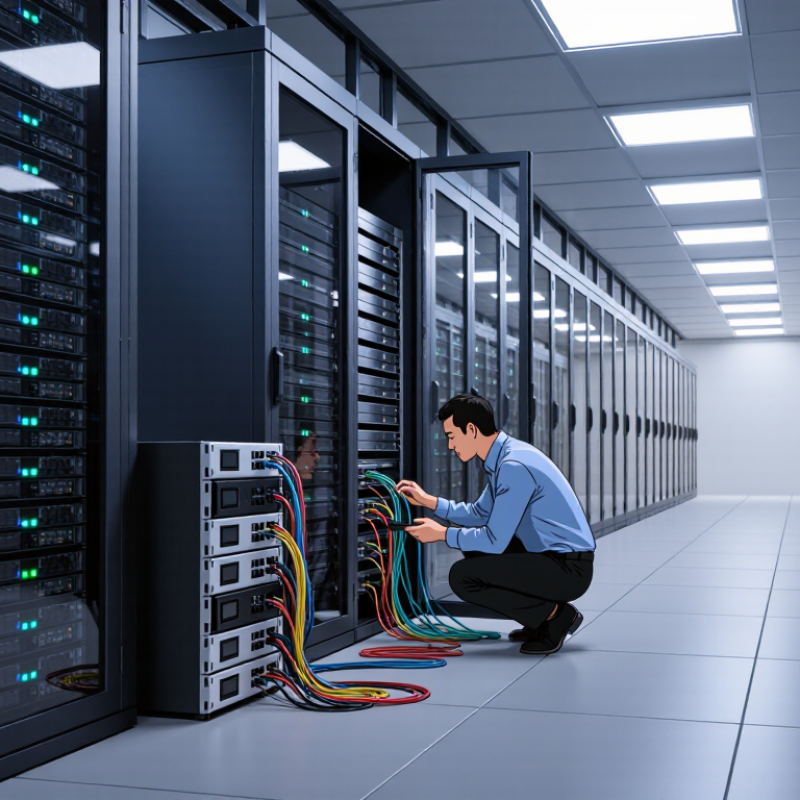
What Ethernet Remote Power Management Means in 2026
How to Choose Ethernet Remote Power Management in 2026?
What Ethernet Remote Power Management Means in 2026
In 2026, Ethernet remote power management means controlling electrical outlets through a secured network connection. It is more than switching equipment off and on. Administrators can view voltage, current, energy use, and outlet status from a remote console. They can also schedule a controlled reboot when a router, camera, or server stops responding. A technician may solve a nighttime failure without opening a locked rack.
This matters because outages remain expensive. The Uptime Institute’s Global Data Center Survey 2024 reported that 54% of respondents experienced an outage costing more than $100,000. About one-fifth reported costs above $1 million. Remote power control cannot prevent every failure. It can shorten diagnosis and recovery time. That distinction matters.
The International Energy Agency expects data-center electricity demand to rise sharply toward 2030. Better outlet-level measurement therefore supports practical energy decisions, not just reporting. Look for encrypted access, multi-factor authentication, role-based permissions, audit logs, alert thresholds, and network segmentation. Test recovery procedures before an incident occurs. I have seen teams install capable hardware but ignore credential rotation and emergency access. That is an uncomfortable weakness. Ethernet is only the path; reliable management depends on configuration, monitoring, and disciplined human response. Some facilities still treat remote rebooting as a complete strategy. It is not. A failed power supply remains a physical problem.
Which Devices and Networks Need Remote Power Control
How to Choose Ethernet Remote Power Management in 2026?
Remote power control matters wherever technicians cannot reach equipment quickly. Data centers, edge cabinets, retail branches, clinics, warehouses, and outdoor network enclosures are strong candidates. Typical devices include switches, wireless access points, cameras, sensors, gateways, and small servers. Ethernet-controlled outlets can reboot one failed device without interrupting nearby equipment.
The International Energy Agency reported that data centers consumed about 460 TWh globally in 2022. It expects consumption to exceed 1,000 TWh by 2026. That growth increases pressure on uptime, cooling, and energy visibility. Uptime Institute’s 2024 Global Data Center Survey identified power problems as the leading cause of reported outages, affecting 54% of respondents. These figures support remote power management, but they do not justify installing it everywhere. A tiny office printer may not need it. An isolated industrial gateway probably does.
Tips: Map every critical load first. Check voltage, current limits, outlet types, and network redundancy. Choose devices with role-based access, audit logs, temperature alerts, and manual override. Keep emergency access available. Automation can fail too.
In practice, prioritize equipment with high restart value and difficult physical access. Segment control traffic from ordinary user traffic. Test reboot policies during maintenance windows. Record what happened. That evidence improves later decisions, although many teams still skip this step. A remote power unit should also report energy use, not merely switch outlets. The best choice connects operational risk with measurable power data.
How to Choose Ethernet Remote Power Management in 2026?
Match remote power control with the endpoint’s Ethernet power class, network design, and recovery requirements. Higher-power endpoints and unattended networks benefit most from remotely switchable PoE ports or managed power distribution.
The values represent the maximum power delivered by standard PoE sourcing equipment: 15.4 W for IEEE 802.3af, 30 W for IEEE 802.3at, 60 W for IEEE 802.3bt Type 3, and 90 W for IEEE 802.3bt Type 4. Use remote port cycling for access points, cameras, phones, and IoT gateways; use higher-power managed control for multi-radio wireless devices, displays, and other power-intensive endpoints.
Key Features to Compare Before Choosing a System
How to Choose Ethernet Remote Power Management in 2026?
Choosing an Ethernet remote power management system requires more than checking outlet count. Compare network access, outlet-level switching, metering accuracy, and recovery controls.
The IEA’s Electricity 2024 report estimates that data centers consumed about 240–340 TWh globally in 2022. Demand could exceed 1,000 TWh by 2026. Energy visibility is no longer optional. Look for real-time voltage, current, power factor, and kilowatt-hour readings. Measurements should be exportable for audits and reviewed by trained technicians. A dashboard alone is not enough.
Security deserves equal attention. Compare encrypted communication, role-based permissions, multi-factor authentication, firmware signing, and detailed event logs.
NIST’s Cybersecurity Framework 2.0 stresses governance, protection, detection, and recovery. A device supporting only basic passwords creates avoidable risk. Check whether it can separate management traffic from production traffic. That detail matters during a network failure.
Uptime Institute’s 2024 Global Data Center Survey continues to identify power-related incidents as a major source of disruption. Automatic sequencing, delayed restart, overload protection, and dry-contact alarms can reduce recovery time. Test them under load, not only in a quiet laboratory.
Do not trust every specification.
In practice, interoperability can be the weak point. Verify IPv6 support, open APIs, SNMP compatibility, syslog export, and integration with monitoring platforms. Check response time after a failed connection. Local control should remain available when the cloud is unreachable.
I would also question impressive efficiency claims, because accuracy varies with load and temperature. A short pilot using real racks, mixed loads, and planned outages will reveal more than a polished brochure.
How to Evaluate Security, Reliability, and Scalability
How to Choose Ethernet Remote Power Management in 2026?
Security should be tested before convenience. The 2024 Data Breach Investigations Report found that vulnerability exploitation increased sharply, making outdated management interfaces a serious concern. Choose encrypted sessions, multi-factor authentication, role-based access, signed firmware, and detailed audit logs. Network segmentation matters too. A power controller should not expose every outlet to every user. I have seen teams enable remote access quickly, then postpone account cleanup. That shortcut deserves scrutiny.
Reliability is more than uptime claims. Uptime Institute’s 2024 Annual Outage Analysis reported that 54% of surveyed organizations experienced a recent outage costing over 100,000 dollars. Select equipment with watchdog recovery, independent outlet control, temperature alerts, surge protection, and local manual access. Test recovery after a failed network link. It should still execute safe rules. “Always available” is not enough.
Scalability requires clean architecture. IoT Analytics reported more than 16 billion connected IoT devices worldwide in 2023, with continued growth expected through 2026. Choose IPv6 readiness, open APIs, centralized policy management, and reusable configuration templates. Confirm whether one administrator can manage ten devices or ten thousand without unsafe permissions. My earlier assumption was simple: larger deployments only need more hardware. They also need clearer ownership, stronger logging, and disciplined change control.
How to Select the Right Solution for Your Budget and Use Case
How to Choose Ethernet Remote Power Management in 2026?
Budget should follow the failure you need to prevent. A small office may only need remote outlet rebooting, basic scheduling, and email alerts. A server room may require outlet-level metering, temperature sensors, user permissions, and dual power feeds. Uptime Institute’s 2024 Global Data Center Survey reported that 54% of respondents experienced an outage costing over $100,000. That figure makes remote recovery more than a convenience.
For energy-sensitive sites, choose metering before buying advanced automation. The International Energy Agency reported that data centers used about 460 terawatt-hours of electricity in 2022, with demand potentially exceeding 1,000 terawatt-hours by 2026. Accurate measurements can reveal idle equipment, uneven loads, and wasted capacity. Check whether readings are available per outlet, phase, or cabinet. Verify accuracy claims under real operating loads.
Security deserves equal attention. Look for encrypted management sessions, multi-factor authentication, role-based access, audit logs, firmware controls, and documented vulnerability handling. Network segmentation is still necessary. It is not a magic shield. During hands-on testing, confirm that a failed controller does not interrupt power, and that manual access remains possible. My own selection process sometimes overvalues feature counts. A cheaper unit with reliable alerts and clear documentation may serve a small deployment better than a complex platform. Calculate hardware, licenses, installation, training, and replacement costs over five years. The cheapest quote can age badly.
FAQS
Choose encrypted sessions, multi-factor authentication, role-based access, signed firmware, and detailed audit logs. Security comes before convenience.
Segmentation limits who can reach each outlet. One user should not control every socket. It is not a magic shield.
Disconnect the network link and observe the controller. It should continue safe rules and preserve power. Test recovery.
Look for watchdog recovery, independent outlet control, temperature alerts, surge protection, and local manual access. Small details matter.
Basic remote rebooting, schedules, and email alerts may be enough. Avoid paying for complex controls you will not use.
Consider outlet-level metering, temperature sensors, user permissions, and dual power feeds. Clear recovery procedures help during stressful outages.
Metering can reveal idle devices, uneven loads, and wasted capacity. Check readings per outlet, phase, or cabinet. Verify accuracy under real loads.
Check IPv6 readiness, open APIs, centralized policies, and reusable templates. Ten devices and ten thousand devices need different controls.
Include hardware, licenses, installation, training, maintenance, and replacement costs. The cheapest quote can age badly.
Feature counts can seem impressive, but reliable alerts and clear documentation may matter more. I sometimes overvalue complexity. Reconsider it.
Conclusion
In 2026, Ethernet Remote Power Management has become an essential way to monitor, control, and optimize connected equipment from a central location. It allows organizations to remotely restart devices, schedule power usage, reduce downtime, and improve operational efficiency without requiring staff to be physically present. This capability is especially valuable for servers, network appliances, security systems, wireless infrastructure, edge devices, and equipment installed in remote or difficult-to-access locations.
When choosing a solution, compare outlet control, monitoring accuracy, automation options, alert functions, network compatibility, and ease of integration. Security should include strong authentication, encrypted communication, access controls, and regular software maintenance. Reliability depends on stable hardware, dependable connectivity, fail-safe operation, and clear recovery procedures, while scalability ensures the system can support future expansion. Finally, match the solution to your budget and practical needs by considering installation costs, ongoing management, power capacity, and the level of control required. The best choice balances functionality, security, reliability, and long-term value.